Source Insulated Neoprene Bottle Can Carrier for Promos
Find and compare 30 insulated neoprene bottle can carrier options for beverage cooling, promotional giveaways, and daily carry. Evaluate features like drawstring closures, foam insulation, and multiple color choices to select the right supplier for your bulk needs; compare the available evidence and request quotations based on your requirements.
Key considerations
Products List


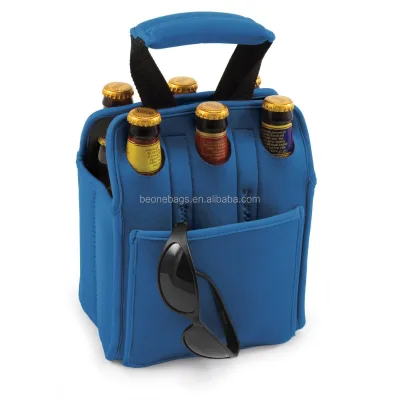


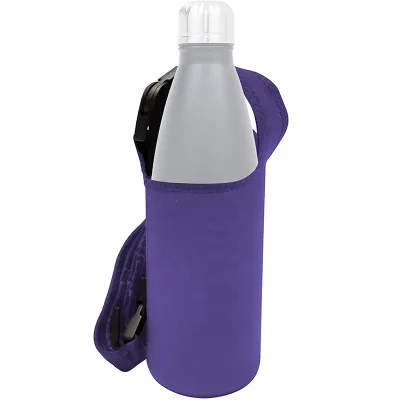
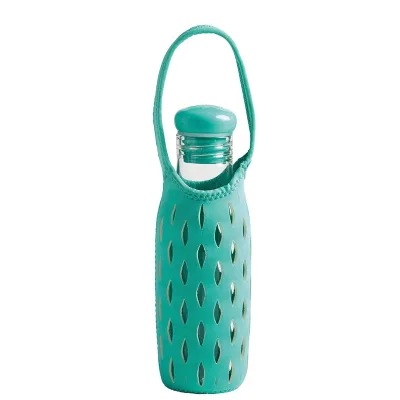

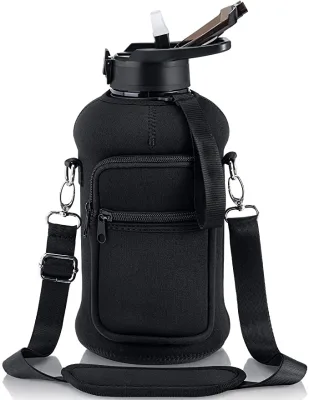



Comprehensive Sourcing Guide
Insulated Neoprene Bottle Can Carrier Sourcing Guide
Procuring insulated neoprene bottle and can carriers requires a clear understanding of material properties and functional design. Neoprene foam provides essential thermal retention, keeping beverages cold for extended periods, with observed cold times ranging from two to over six hours depending on the specific model. Buyers must distinguish between carriers designed for single cans versus those accommodating wine bottles or multiple drinks, as this dictates the internal volume and structural integrity required for effective insulation.
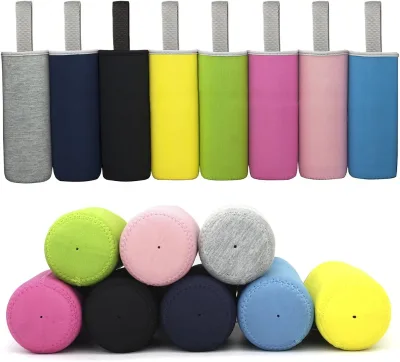
The market offers significant customization options, allowing brands to imprint logos or select from a variety of colors including red, pink, grey, green, blue, and black. These carriers are typically non-disposable and reusable, making them suitable for promotional campaigns or everyday utility. Understanding the closure type, whether drawstring, zipper, or lace-up, is critical for ensuring product security and ease of use, while the bearing capacity must align with the weight of the intended contents to prevent failure during transport.
Product Scope and Observed Listing Signals
The observed product range includes various models such as CC016-3, CC008-8, and CM189-4, each tailored to different container sizes like 330ml, 500ml, and 550ml. Some listings indicate a bearing capacity of less than two kilograms, suitable for standard cans, while others support up to ten kilograms, accommodating heavier items or multiple containers. The style varies from simple tote bags to shoulder bags, with some featuring adjustable straps for enhanced portability and comfort during use.
Packaging methods differ across suppliers, with options including polybags, color cards, or OPP bags, which can impact shipping efficiency and retail presentation. Gross weights generally fall between zero point five and one kilogram, indicating a lightweight design that does not add significant burden to the overall shipment. Buyers should verify the specific model number and standard size to ensure compatibility with their product lines, as dimensions and capacities vary significantly between different carrier types.
Technical Specifications to Verify
Verifying the insulation type is paramount, with foam being the standard material for thermal regulation. Buyers should confirm the exact thickness and density of the neoprene, as these factors directly influence the cold retention time, which can range from two to three hours up to more than six hours. Additionally, the closure mechanism, whether it is a drawstring, zipper, or lace-up system, must be evaluated for durability and ease of access, ensuring that the contents remain secure during movement.
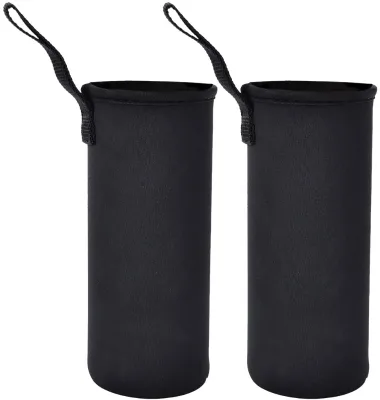
Color options are diverse, including printed designs and solid colors like grey, green, blue, and black, allowing for brand alignment. The presence or absence of handles and the type of handle, such as an adjustable strap, should be clearly specified to meet ergonomic requirements. Furthermore, the number of compartments, particularly in models with multiple compartments, should be assessed to determine if the carrier can organize items effectively, enhancing its utility for consumers.
Compliance and Safety Documentation
While specific certifications are not detailed in the provided facts, buyers must ensure that the neoprene material meets relevant safety standards for consumer goods. This includes verifying that the foam is free from harmful chemicals and that any printed designs use non-toxic inks. Compliance with international standards for textile and foam products is essential, particularly if the carriers are intended for markets with strict regulatory requirements regarding material safety and environmental impact.
Documentation should also cover the manufacturing origin, with many products originating from China or specific regions like Dongguan. Buyers should request test reports for flammability, tensile strength, and colorfastness to ensure the product meets quality expectations. Clear labeling and care instructions should be provided to guide users on proper maintenance, extending the lifespan of the carrier and ensuring consistent performance over time.
Cost Drivers and Commercial Terms
The price range for these carriers is observed between zero point two and eight point two one USD, influenced by factors such as material quality, customization complexity, and order volume. Minimum order quantities typically range from fifty to three thousand units, allowing for flexibility in procurement strategies. Buyers should negotiate based on the desired customization level, as printed designs or unique color combinations may incur additional costs compared to standard offerings.
Shipping and packaging costs are also significant drivers, with options like polybags or color cards affecting the final landed cost. Lead times can vary based on the complexity of the order and the supplier's production capacity, so early communication is essential. Buyers should clarify all commercial terms, including payment methods and return policies, to avoid unexpected expenses and ensure a smooth transaction process from order placement to delivery.
Supplier Qualification and Quality Control
Selecting a reliable supplier involves verifying their production capabilities and quality control processes. Buyers should assess the supplier's experience in manufacturing neoprene products and their ability to meet specific customization requests. Requesting samples before placing a bulk order is crucial to evaluate the material quality, stitching durability, and overall finish of the carrier.
Quality control checks should include inspections for defects in the foam, closure mechanisms, and printed designs. Buyers should establish clear acceptance criteria and conduct random sampling during production or pre-shipment inspections to ensure consistency. Building a strong relationship with the supplier through regular communication and feedback can help maintain high standards and address any issues promptly, ensuring a successful procurement outcome.
Long-Term Procurement Checks
Long-term success in sourcing insulated carriers depends on continuous monitoring of product performance and supplier reliability. Buyers should gather feedback from end-users to identify any issues with durability, insulation effectiveness, or design flaws. Regularly reviewing supplier performance metrics, such as on-time delivery rates and defect percentages, helps in making informed decisions about future orders and potential supplier changes.
Staying updated on market trends and new material innovations can provide competitive advantages. Buyers should explore opportunities for further customization or enhanced features, such as improved insulation or ergonomic designs, to meet evolving consumer demands. Maintaining a diverse supplier base can mitigate risks and ensure supply chain resilience, allowing for flexibility in responding to market changes and maintaining consistent product quality over time.
FAQs
What materials are used for insulated bottle carriers?
The carriers are primarily made from neoprene foam to provide effective thermal insulation. Some models also utilize nylon for enhanced durability and multiple compartments. These materials ensure the product remains non-disposable while offering reliable cold retention for various beverages.
How long does the insulation keep drinks cold?
Cold retention times vary by model, with some keeping contents cold for over six hours. Other specific models offer a duration of four to six hours, while certain designs provide a shorter window of two to three hours depending on the specific construction and usage conditions.
Can these carriers be customized for promotional use?
Yes, customization is available for these insulated carriers to suit promotional needs. They are designed for usage with cans, wine, and drinks, allowing brands to leverage the product for marketing. The available colors include red, pink, grey, green, blue, and black to match brand identities.
What is the maximum weight capacity of these bags?
Bearing capacity ranges from less than two kilograms up to ten kilograms depending on the specific model. Some lightweight versions support under two kilograms, while others are engineered to hold between two and three kilograms, and robust designs can carry up to ten kilograms safely.
Which closure types are available for these carriers?
Several closure mechanisms are offered, including drawstrings, lace-up systems, and zippers. Some advanced models combine laces and zippers for secure fastening. The choice of closure depends on the specific style, such as tote bags or shoulder bags, selected for the intended application.
What are the standard sizes for these carriers?
Standard specifications include capacities for 330ml, 500ml, and 550ml containers. Physical dimensions vary, with some models measuring 30 by 20 by 20 centimeters or 25.4 by 1 by 19.05 centimeters. These sizes ensure compatibility with a wide range of standard beverage cans and bottles.
How are these products packaged for shipping?
Packaging options include polybags, color cards, and OPP bags depending on the specific product model. This ensures the items are protected during transit while maintaining their appearance. The packaging method is selected based on the product type and specific requirements of the buyer or distributor.